 A manila folder of old news clippings and a two-hour
conversation were hardly enough resources or time for
Charlie Briggs and Len Jasinski to tell the story of Fred
Briggs.
The problem Fred’s “brothers” – one biological, Charlie;
Len, a lifelong friend – had wasn’t choosing which story to
tell, rather, it was where to begin.
Highlighting Fred’s 64-year officiating career was a walk
down memory lane for the two men, both well into their
80s. The conversation’s theme was that of longevity and
consistency, for which Fred was revered. He officiated from
1947-2006, and saw Flint’s elite athletes on the football
field, basketball court and baseball and softball diamonds.
And he could tell you which ones were college- or probound
by seeing them play at a young age. He followed
their careers, keeping track of the youngsters he watched
play at historic Flint venues such as Berston Fieldhouse,
Atwood Stadium and the Metropolitan.
“He had a tremendous mind for that,” said Charlie’s of his
late brother’s memory. “He constantly followed everybody.
He would talk about them, and I couldn’t believe he could
remember what years they played.”
And for that illustrious career full of passion and genuine
regard for the athletes, Fred will be inducted Dec. 3 into the
Greater Flint Area Sports Hall of Fame at Genesys. Before
his death in 2009, and after his retirement from officiating
in 2006, Fred continued to oversee officials in the Big Nine
Conference and Metro League.
While Fred called some of the city’s biggest games, the
level of play wasn’t important – making the right call was.
Fred’s main objective was to officiate fairly, be consistent
and let the players play the game.
“He wanted to make the right call in every game,” said
Charlie. “It’s like in the state finals, you want to do the best
you can do. But you want to do the best you can do if you’re
working a junior high game. He took pride in every game,
no matter what class it was.”
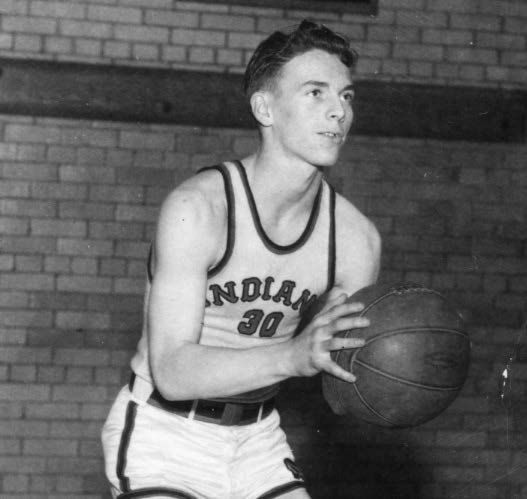
Len remembers Fred as a “fiery, scrappy guard” who led
the Flint Central varsity basketball team in the mid-to-late
1930s. Fred went on to coach Len in the city’s Class AA
League.
Fred spent about a decade in the amateur league,
which he entered after his collegiate basketball career
at the University of Toledo was cut short by a foot injury.
But playing wasn’t enough for Fred. He organized the
first Michigan Open Basketball Tournament in 1947, but
it nearly didn’t happen because of a labor disupte at the
Metropolitan, where the tournament – which featured excollege
and pros – was to be played.
“Fred was confronted with no seats and no baskets,”
Len said, smiling. But Len had a solution. He coached
varsity ball at Flint All Saints, and he and Fred removed the
baskets from All Saints’ gym, along with seating, in order to
preserve the tournament.
“His enthusiasm for sports showed up again,” said Len.
“Fred was a fighter, he was a determined individual.”
Charlie can’t go many places without someone bringing
up Fred. The brothers paired as officials for a combined
122 years. Fred was an ambassador when it came to
officiating, a consummate professional in every way.
“(His appearance) was always perfect,” said Charlie.
“His hats were clean, pants were clean, shoes were shined
– no matter what he worked, basketball or football. When
you walk out, you look neat, it kind of impresses people.”
Len added that, both Fred’s appearance and demeanor,
were “impeccable.”
Charlie’s memories of Fred span far beyond the realm
of officiating, although they were quite good at it as a team.
Brothers, yes; but they also were best friends. They lived
just about three miles apart in Davison, exchanged lawn
equipment, even took their wives out to dinner together.
“I couldn’t have asked for a better brother,” said Charlie.
And Len feels the same about his relationship with Fred.
The two were members of the Flint Old Timers together,
and Len said Fred’s energy helped the group be successful.
